

DUI Cases Without a Breath Test: How Florida Prosecutors Try to Prove Impairment
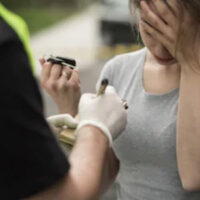
A lot of Floridians may be under the impression that refusing a breath test will automatically destroy their DUI defense. However, that isn’t really true. Even though chemical test results can be used as evidence against you, prosecutors often try DUI cases even when there are no chemical tests to back up their claims. Understanding how these cases work can help your case and improve your chances of successfully defending yourself.
Why DUI charges move forward without a test
Florida rules allow prosecutors to prove impairment in one of two ways. They can either use chemical tests or build a case against you using circumstantial evidence. For example, when a driver refuses a breath test or when the test is unavailable, the state will rely on circumstantial evidence (evidence concerning the circumstances of your arrest) against you. The focus is then shifted to your behavior.
Generally speaking, officers tend to be already convinced that you are impaired before there is any test proving the fact. Refusing this test can be grounds for confirming their suspicion. It’s important to keep in mind because it determines how strong your defense is.
Officer observations as evidence
If the prosecutor doesn’t have a breath test, they’re likely to rely on officer testimony. This includes observations of slurred speech, watery or red eyes, unsteady balance, or the odor of alcohol. Such observations are subjective and can be caused by any number of factors, including stress.
Your criminal defense attorney will closely examine whether the officer’s observations are consistent, documented, and supported by video. Body camera and dash cam footage often tell more of the story than police reports. In some cases, the video won’t match what the officer is saying. This can weaken the credibility of the entire case.
Field sobriety tests under scrutiny
Without chemical evidence, prosecutors often rely on field sobriety tests. They use them to imply the driver was under the influence of alcohol because their eyes didn’t move the right way, or they lost their balance. In reality, these exercises are not pass-or-fail tests. They are affected by many factors that have nothing to do with impairment.
For example, uneven pavement, poor instructions, nervousness, injuries, age, bad shoes, or anything else can impact your performance on these tests. Jurors are often surprised to learn just how subjective they are. Your defense attorney will highlight these limitations and challenge the conclusion that they automatically prove you were drunk.
Driving patterns and other circumstances
Prosecutors will also use evidence of poor driving in these cases. If you were swerving, making a wide turn, failing to maintain a lane, or your reactions were delayed, these can all be indicators that you were drunk behind the wheel. However, all of these factors can have innocent explanations.
Your DUI defense attorney will perform a careful review of the video taken during the arrest. Sometimes, these driving violations are minor and do not appear on camera. This can make it more difficult for the prosecution to prove your case.
Talk to an Orlando, FL, DUI Attorney Today
FL DUI Group represents the interests of Orlando residents who have been charged with DUI. Call our Florida DUI defense lawyers today to schedule an appointment, and we can begin preparing your defense right away.